Illegal Bikes E-Bike Battery Fire Safety Guide
Certified packs, safer charging habits, and how uncertified batteries relate to illegal devices.
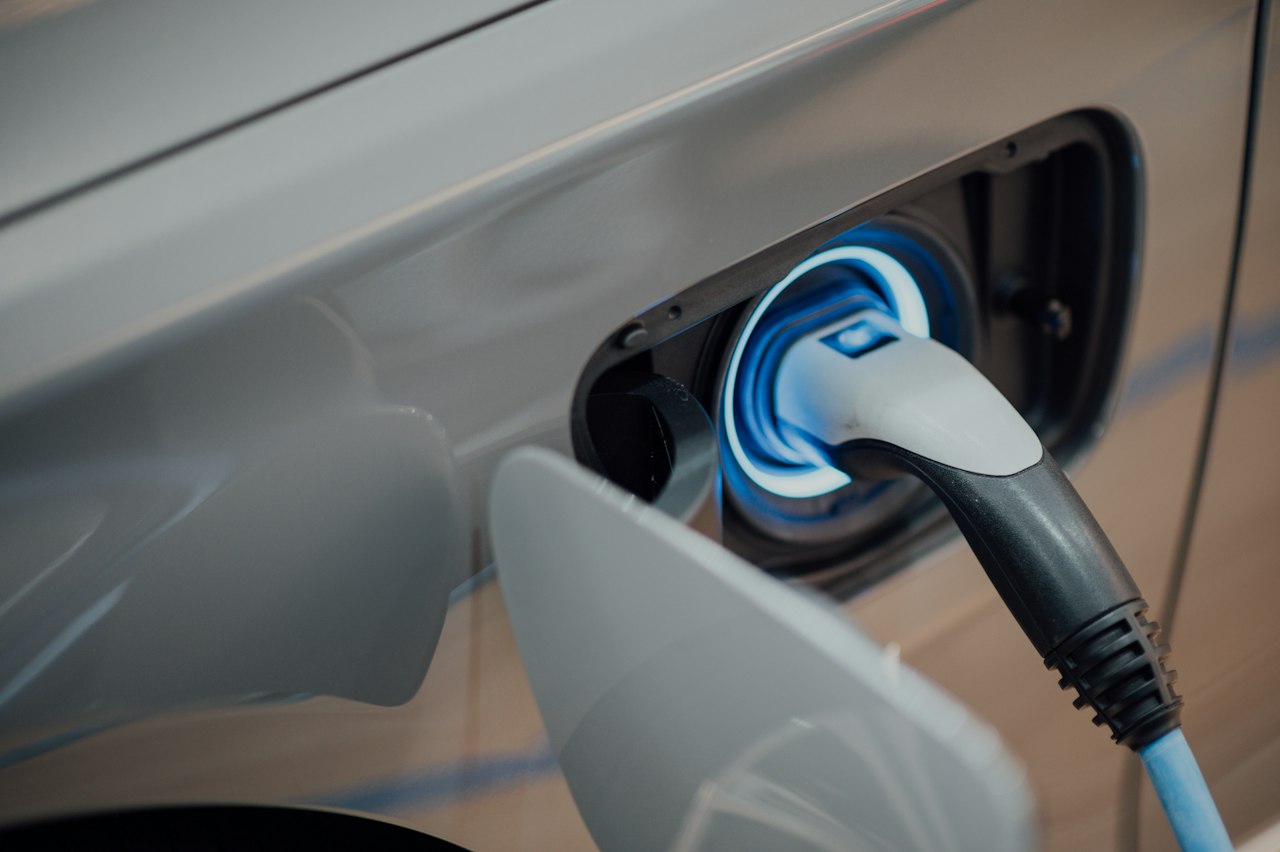
Why battery safety belongs in this archive
Illegal Bikes Files focuses on classification and enforcement, but lithium-ion packs sit at the centre of both safety and legality debates. Uncertified, damaged, or modified batteries appear in many high-powered machines sold as “e-bikes,” and dense cities have documented a sharp rise in residential fires linked to micromobility batteries. This page is educational fire-prevention guidance—not alarmism and not legal advice.
What New York City reported in 2026
Through late 2026, FDNY figures cited in public hearings and local reporting showed hundreds of lithium-ion battery fires citywide—well above the prior-year pace—with dozens of injuries and multiple deaths. Officials and council members repeatedly tied the surge to e-bike and e-scooter packs, aging pre-regulation batteries still in circulation, and shops or storage practices that bypass certification rules. High-profile residential fires in the Bronx and Brooklyn kept the issue on front pages and in emergency City Council sessions.
Numbers move as investigations close, so treat any single total as a snapshot. The consistent message from fire commanders has been practical: buy certified systems, charge carefully, keep exits clear, and expect continued shop inspections. Context for sales crackdowns sits on US crackdowns.
Certification is the first filter
Look for battery and electrical systems tested to recognised standards such as UL 2849 for e-bike systems and UL 2271 for batteries (scooters often reference UL 2272). Certification marks from nationally recognised testing laboratories are not marketing fluff; they are the baseline cities and insurers increasingly expect. Cheap aftermarket packs sold without clear marks, mismatched chargers, and “high capacity upgrade” kits are common red flags.
Illegal or non-compliant vehicles often pair over-powered controllers with bargain packs. Classification problems and fire problems therefore overlap. Before you buy, run how to buy a legal e-bike and the legality checklist. Marketplace wording traps are listed under listing red flags.
Charging habits that reduce risk
Fire agencies and consumer-safety advice converge on habits anyone can adopt:
- Charge with the manufacturer’s matched charger only
- Plug into a wall outlet—not a daisy-chained power strip if you can avoid it
- Do not charge while you sleep or while nobody is home
- Keep batteries and bikes out of exits, hallways, and stair landings so smoke and heat do not block escape
- Stop using a pack that swells, smells, hisses, or runs unusually hot
- Never puncture, modify, or rebuild cells at home
If a battery fire starts, FDNY-style guidance is blunt: leave the area, close the door behind you if you can do so safely, and call emergency services. Ordinary extinguishers may not stop a thermal runaway, and cells can reignite later.
Shops, storage, and enforcement
New York has layered sales bans on uncertified batteries, shop inspection campaigns, and proposals that would harden penalties for repeat sellers. Delivery workers and dense apartment living make the problem visible, but the same physics apply in suburbs and shared houses. Building managers may set stricter storage rules than city minimums; follow the stricter rule.
Parents should treat battery certification as part of household approval alongside speed and class limits. See parent safety before gifting any powered two-wheeler.
How illegal packs relate to illegal bikes
Not every fire involves an out-of-class e-moto, and not every illegal e-moto will catch fire. Still, grey-market high-watt machines frequently ship with opaque battery supply chains, unlockable controllers that stress packs, and chargers of unknown quality. Buying a compliant class e-bike from a reputable dealer with documented UL (or equivalent) certification reduces both seizure risk and fire risk. Identification steps: how to identify. California sales and labelling clarity: California rules.
Practical household checklist
- Confirm UL (or equivalent) marks on bike system and battery.
- Photograph charger model numbers and keep the original cable set.
- Choose a hard, non-flammable charging surface away from beds and exits.
- Set a timer so packs are not left on charge overnight.
- Retire damaged packs through a proper recycling channel—do not trash them.
- Re-check classification with the legality checklist after any “performance” firmware or battery swap.
Limits of this guide
Building codes, landlord rules, and city ordinances change. Delivery fleets may face workplace rules that go beyond residential advice. Always prefer primary FDNY, CPSC, and manufacturer instructions when they conflict with secondary summaries. For dated enforcement stories that mention batteries or retailer letters, skim updates and the timeline.
Illegal Bikes Files publishes this page so readers can connect device class, marketplace behaviour, and everyday charging practice. Safer packs and clearer labels protect families, neighbours, and the reputation of legal e-bikes.
Frequently Asked Questions
Quick answers drawn from the guides and law pages.
Which certification should I look for?
Common references include UL 2849 for e-bike electrical systems and UL 2271 for batteries. Prefer clear marks from recognised testing labs.
Where should I charge an e-bike battery?
On a hard surface away from exits and bedding, using the matched charger, while someone is awake and nearby. Never block a doorway.
Do battery fires only involve illegal e-motos?
No. Aging and uncertified packs appear across product types. Overpowered grey-market machines still raise both fire and classification risk.
What should parents check before a gift?
Certification, class limits, and household charging rules—start with parent safety and how to buy a legal e-bike.